

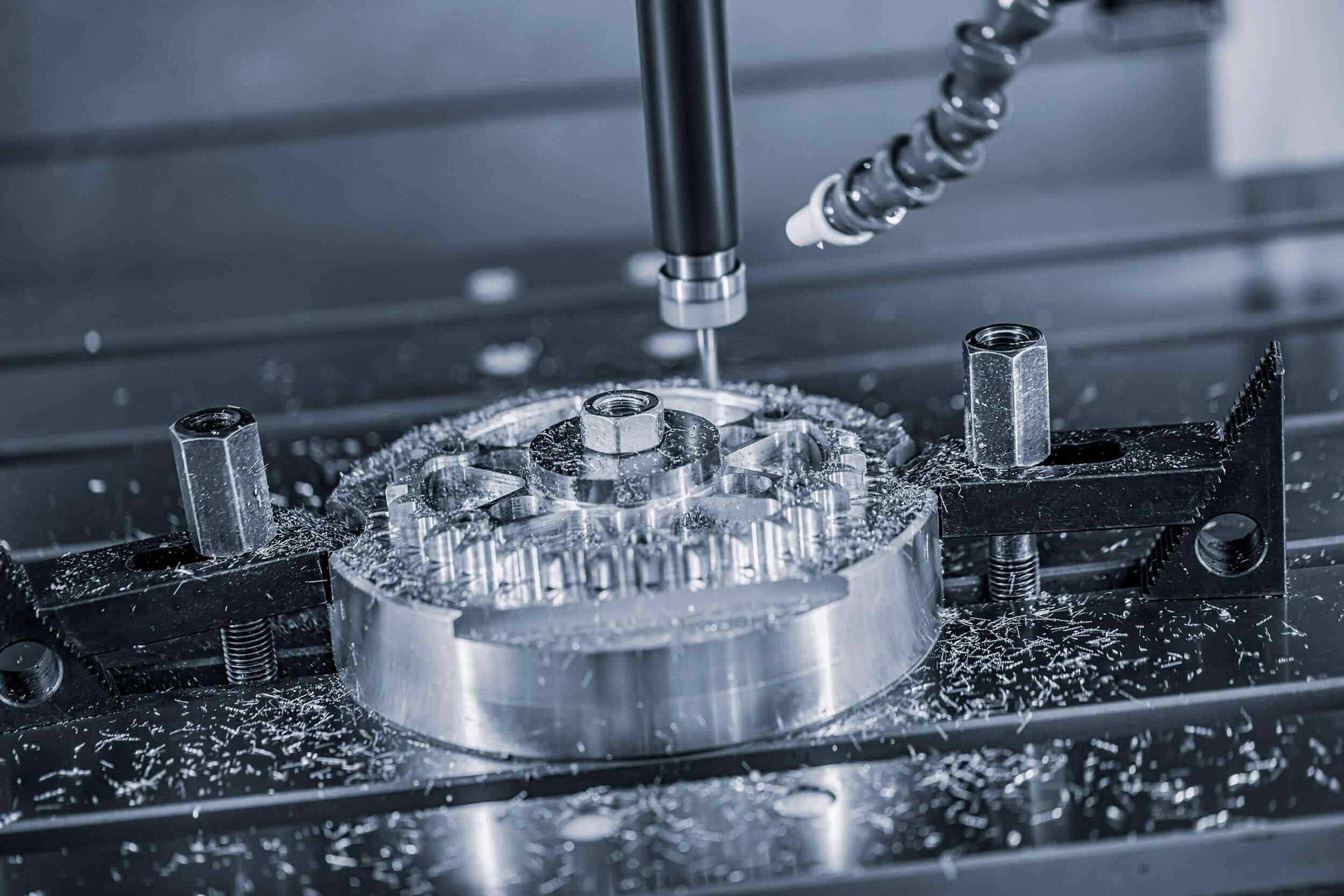
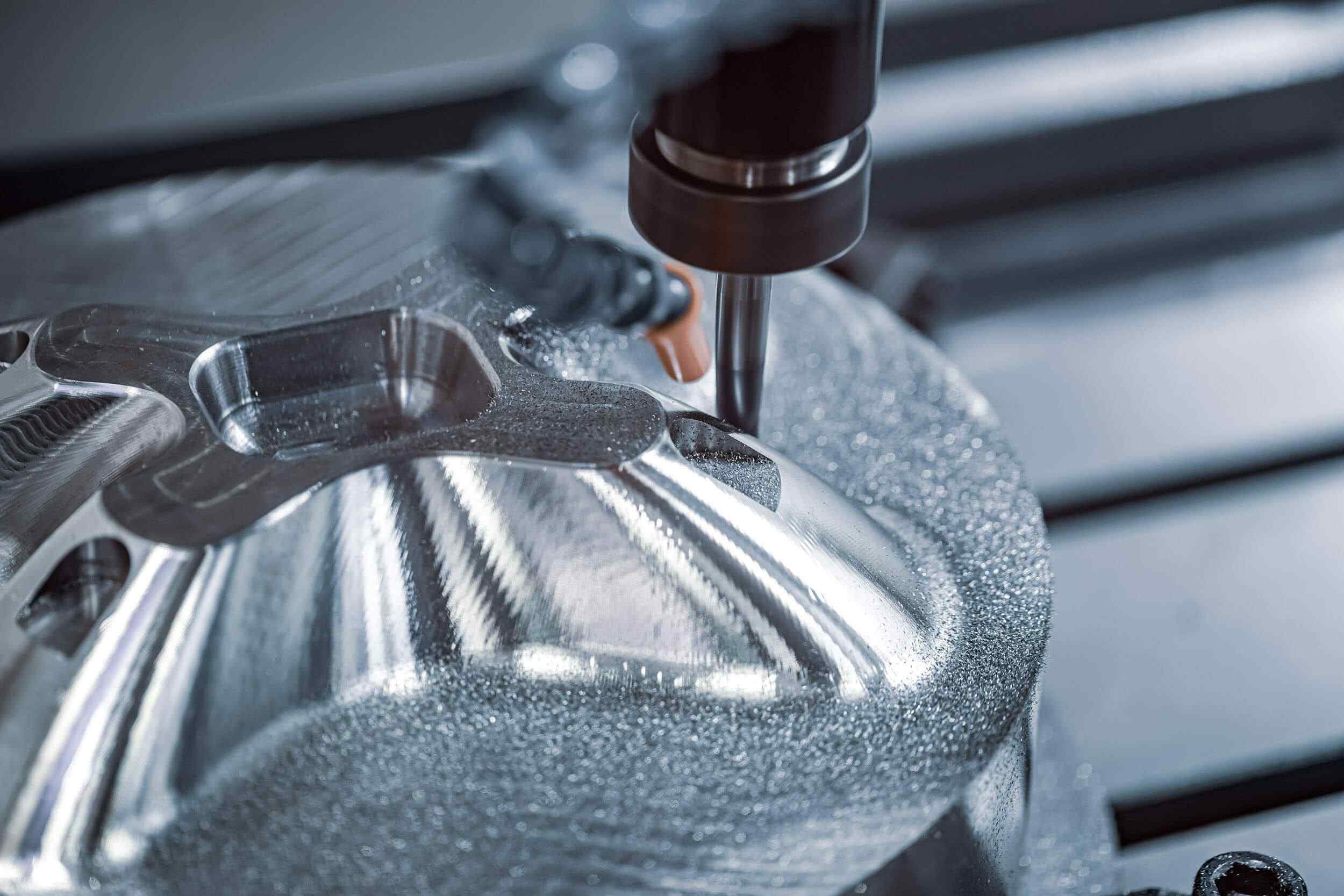
High-efficiency die casting metal forming solution: one-time molding of complex structures with high precision and high consistency.
- High-pressure, high-speed filling enables one-time molding of complex structures.
- High dimensional accuracy and excellent surface quality.
- Suitable for stable medium- to large-volume production.
- Significantly reduces unit manufacturing costs.
What is Die Casting?
Die casting is a metal forming process in which molten metal is forced into a precision metal mold under high pressure and high speed, and then rapidly cooled to its final shape.
This process is renowned for its high production efficiency, high dimensional accuracy, and excellent surface quality, making it particularly suitable for manufacturing complex, thin-walled metal parts for mass production.
Die casting is widely used in the automotive, electronics, and industrial equipment industries, and is an indispensable key process in modern manufacturing.
Precision Die Casting Services for High-Volume Metal Components
Die casting is one of the most efficient manufacturing processes for producing complex metal parts with excellent dimensional accuracy, smooth surface finishes, and high repeatability. By injecting molten metal into a precision steel mold under high pressure, die casting enables the cost-effective production of intricate components in large quantities.
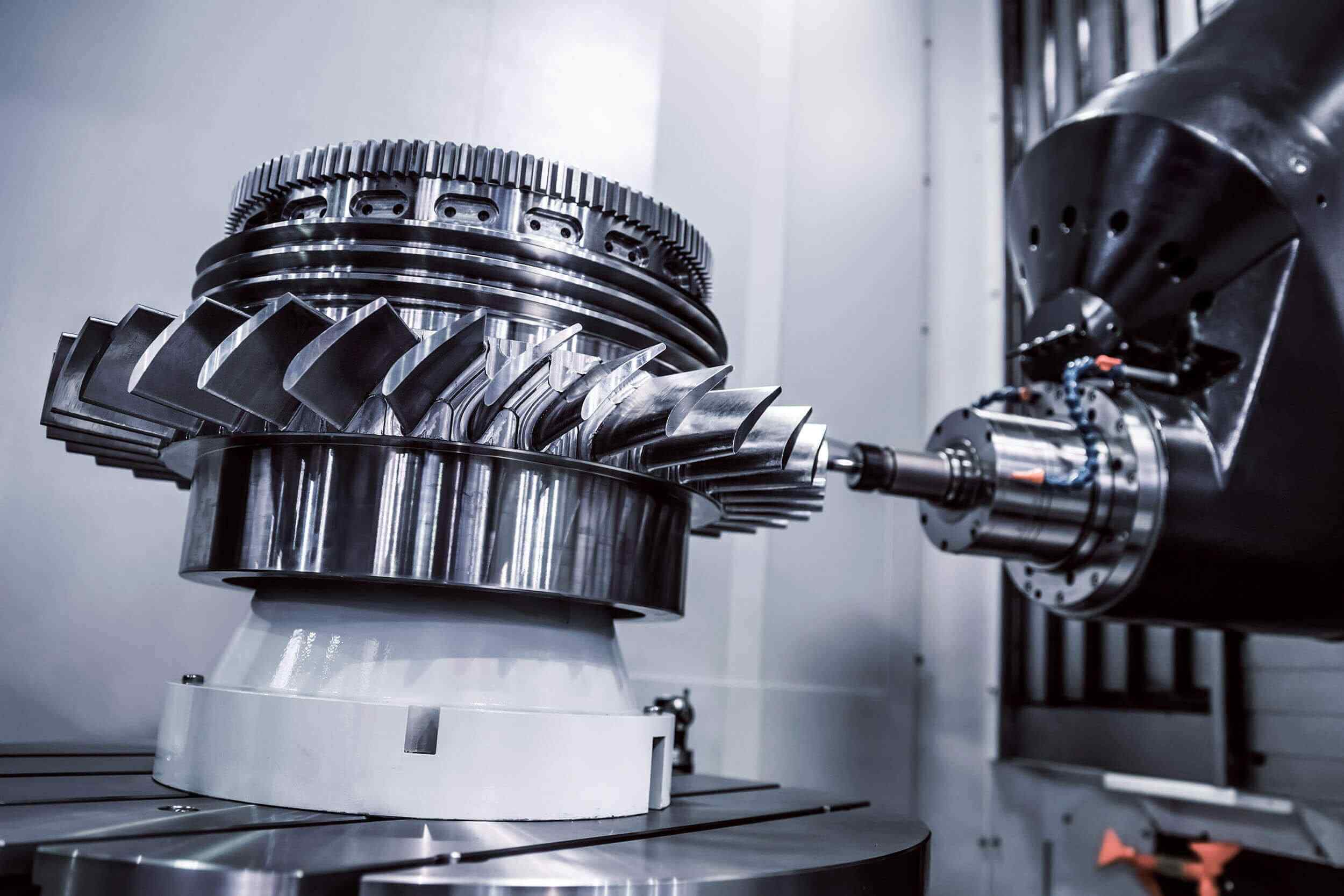
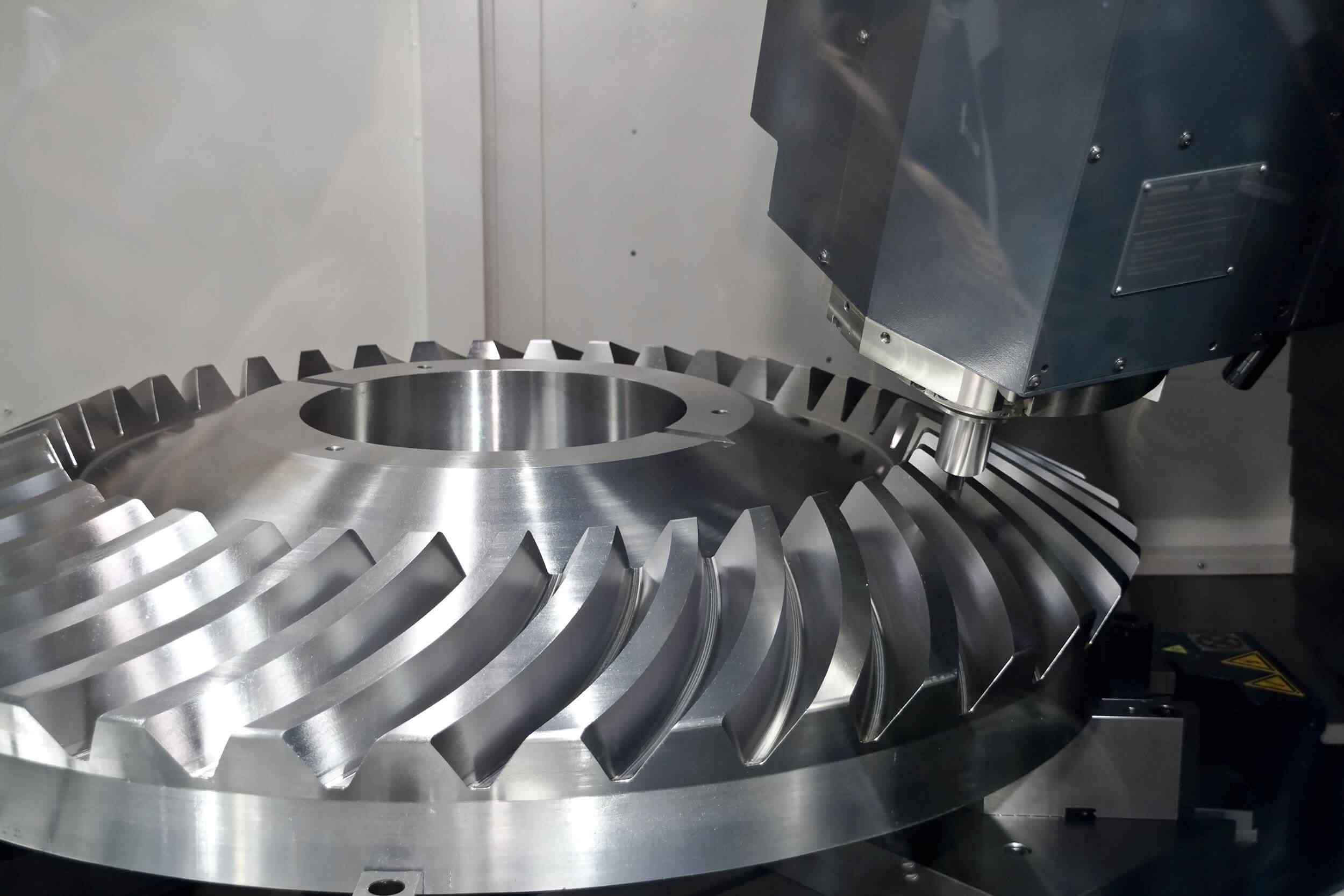
Our die casting solutions provide complete manufacturing support, including mold design, die casting production, CNC machining, surface finishing, assembly, and quality inspection.
Whether you require prototype tooling, low-volume production, or large-scale manufacturing, we deliver reliable die casting solutions tailored to your specifications.
What Is Die Casting?
Die casting is a metal casting process in which molten metal is injected into a hardened steel mold cavity at high speed and high pressure. Once the metal solidifies, the mold opens and the finished casting is ejected.
This process is ideal for producing components with:
- Complex geometries
- Thin wall sections
- Tight dimensional tolerances
- Smooth surface finishes
- High production volumes
- Excellent repeatability
Why Choose Die Casting?
| Advantage | Benefit |
|---|---|
| High Production Efficiency | Fast cycle times for mass production |
| Excellent Dimensional Accuracy | Reduced machining requirements |
| Complex Shape Capability | Intricate features and thin walls |
| Superior Surface Finish | Lower finishing costs |
| Consistent Quality | Excellent repeatability |
| Cost-Effective Production | Lower cost per unit at high volumes |
| Material Utilization | Reduced material waste |
Our Die Casting Capabilities
| Capability | Specification |
|---|---|
| Casting Process | High Pressure Die Casting (HPDC) |
| Part Weight Range | 0.01 kg – 20 kg |
| Maximum Casting Size | Up to 1000 mm |
| Dimensional Tolerance | CT4 – CT7 |
| Surface Roughness | Ra 1.6 – 6.3 μm |
| Minimum Wall Thickness | 0.8 mm |
| Annual Production Capacity | 5,000,000+ Parts |
| Prototype Tooling | Available |
| Production Tooling | Available |
| Secondary Machining | CNC Milling, Turning, Drilling, Tapping |
Capabilities may vary depending on alloy, part geometry, and tooling design.
Available Materials
| Material Category | Common Grades |
|---|---|
| Aluminum Alloy | ADC12 |
| Aluminum Alloy | A380 |
| Aluminum Alloy | A360 |
| Aluminum Alloy | AlSi9Cu3 |
| Aluminum Alloy | AlSi12 |
| Zinc Alloy | Zamak 3 |
| Zinc Alloy | Zamak 5 |
| Zinc Alloy | Zamak 7 |
| Magnesium Alloy | AZ91D |
| Magnesium Alloy | AM60B |
| Custom Alloys | Available Upon Request |
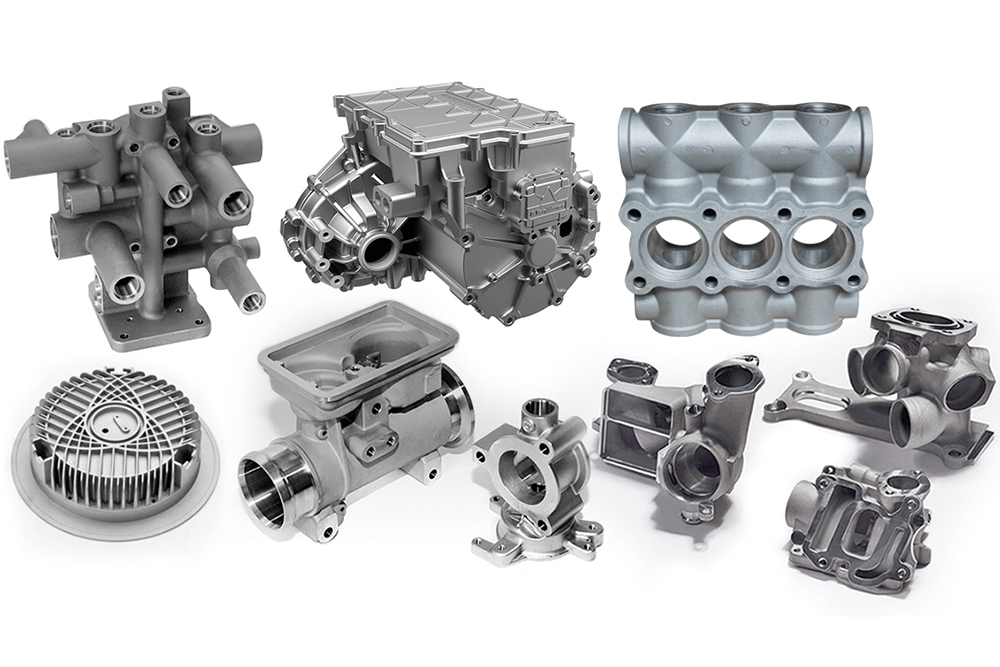
Typical Die Cast Components
| Component Type | Typical Application |
|---|---|
| Electronic Housings | Consumer Electronics |
| Motor Housings | Industrial Equipment |
| Heat Sinks | Electronic Devices |
| Pump Bodies | Fluid Systems |
| Valve Components | Industrial Applications |
| Automotive Brackets | Automotive Industry |
| Gear Housings | Mechanical Equipment |
| Lighting Housings | LED and Commercial Lighting |
| Communication Enclosures | Telecommunications |
| Structural Components | Various Industries |
Industries We Serve
| Industry | Typical Applications |
|---|---|
| Automotive | Engine parts, housings, brackets |
| Electronics | Enclosures, heat sinks, connectors |
| Telecommunications | Communication equipment housings |
| Industrial Equipment | Pumps, valves, machinery parts |
| Aerospace | Lightweight structural components |
| Medical Equipment | Device housings and support components |
| Consumer Products | Hardware and metal accessories |
| Energy | Electrical and power system components |
Manufacturing Process
Step 1: Product Design Review
- DFM analysis
- Mold flow simulation
- Design optimization
- Cost evaluation
Step 2: Tooling Development
- Die design
- Mold manufacturing
- Tool validation
- Trial production
Step 3: Die Casting Production
- Molten metal preparation
- High-pressure injection
- Controlled cooling
- Casting ejection
Step 4: Trimming & Deburring
- Runner removal
- Flash trimming
- Surface cleaning
Step 5: Secondary Machining
- CNC milling
- CNC turning
- Drilling and tapping
- Precision machining
Step 6: Surface Finishing
- Powder coating
- Plating
- Painting
- Anodizing (Aluminum)
Step 7: Final Inspection
- Dimensional verification
- Appearance inspection
- Functional testing
Quality Control System
Our quality management system ensures every casting meets customer specifications.
Inspection Capabilities
| Inspection Item | Inspection Method |
|---|---|
| Dimensional Accuracy | CMM Inspection |
| Material Verification | Spectrometer Analysis |
| Surface Quality | Visual Inspection |
| Porosity Analysis | X-Ray Inspection |
| Internal Defects | Radiographic Testing |
| Thread Inspection | Thread Gauges |
| Coating Thickness | Thickness Measurement |
| Final Inspection | 100% Visual Verification |
Surface Finishing Options
| Surface Treatment | Benefits |
|---|---|
| Powder Coating | Excellent corrosion resistance |
| Painting | Decorative and protective finish |
| Anodizing | Aluminum surface protection |
| Zinc Plating | Enhanced corrosion resistance |
| Nickel Plating | Improved wear resistance |
| Chrome Plating | Decorative appearance |
| Sandblasting | Uniform matte finish |
| Polishing | Improved surface aesthetics |
| Laser Marking | Permanent identification |
Mechanical Properties (Typical Aluminum Die Casting Alloy A380)
| Property | Value |
|---|---|
| Tensile Strength | ≥ 310 MPa |
| Yield Strength | ≥ 160 MPa |
| Elongation | 1–3% |
| Hardness | 80–90 HB |
| Density | 2.74 g/cm³ |
Actual values may vary depending on alloy selection and process conditions.
Production Capacity
| Item | Specification |
|---|---|
| Prototype Production | Available |
| Low Volume Production | 500–5,000 PCS |
| Medium Volume Production | 5,000–50,000 PCS |
| Mass Production | 50,000+ PCS |
| Tooling Lead Time | 20–40 Days |
| Sample Lead Time | 15–25 Days |
| Production Lead Time | 20–45 Days |
| OEM Service | Available |
| ODM Service | Available |
| Drawing Formats | STEP, STP, IGS, IGES, DWG, DXF, PDF |
Why Choose Our Die Casting Solutions?
Advanced Die Casting Equipment

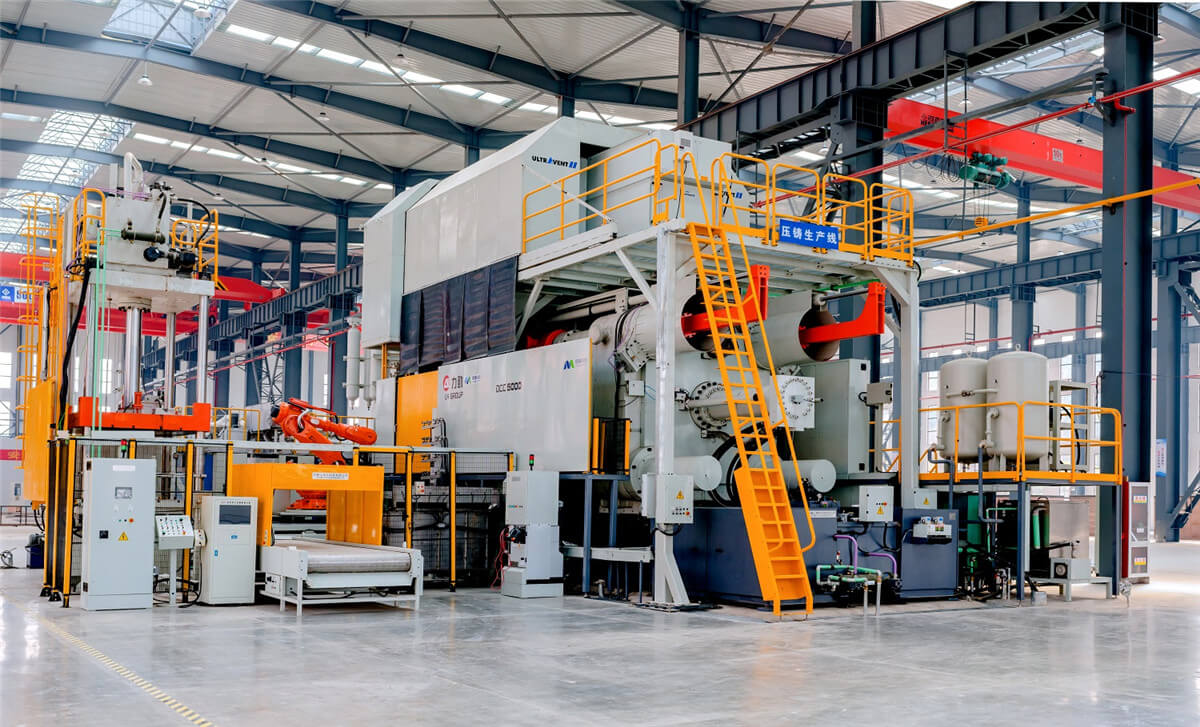
Modern high-pressure die casting machines ensure stable quality and high productivity.

Comprehensive Manufacturing Services

From tooling design to machining, finishing, and assembly.

Strict Quality Assurance

Comprehensive inspection procedures including CMM measurement and X-ray testing.

Cost-Effective High-Volume Production

Optimized manufacturing processes reduce overall production costs.

Engineering Support

Professional DFM analysis and mold optimization to improve manufacturability.

Global Supply Capability

Reliable production and delivery for international customers.
Frequently Asked Questions
What materials are commonly used in die casting?

Aluminum alloys, zinc alloys, and magnesium alloys are the most common materials used in die casting.

What are the advantages of die casting?

Die casting offers high production efficiency, excellent dimensional accuracy, complex shape capability, and low unit costs for large production volumes.

Can die cast parts be machined?

Yes. CNC machining is commonly used to achieve critical tolerances and functional features after casting.

Do you provide tooling design and manufacturing?

Yes. We provide complete tooling design, mold manufacturing, and production support.

Can you provide surface finishing services?

Yes. We offer powder coating, anodizing, plating, painting, polishing, and other finishing options.
Why Choose Die Casting?
1️⃣ One-Step Molding of Complex Structures
It allows for the creation of complex structures such as thin walls, deep cavities, and ribs, significantly reducing subsequent assembly.
2️⃣ High Dimensional Accuracy and Consistency
The metal molds offer high stability, ensuring excellent dimensional repeatability for batch production.
3️⃣ Excellent Surface Quality
The castings have a smooth surface, suitable for direct painting, electroplating, or anodizing.
4️⃣ High Production Efficiency
Short molding cycle time, suitable for mass production, significantly reducing unit cost.
